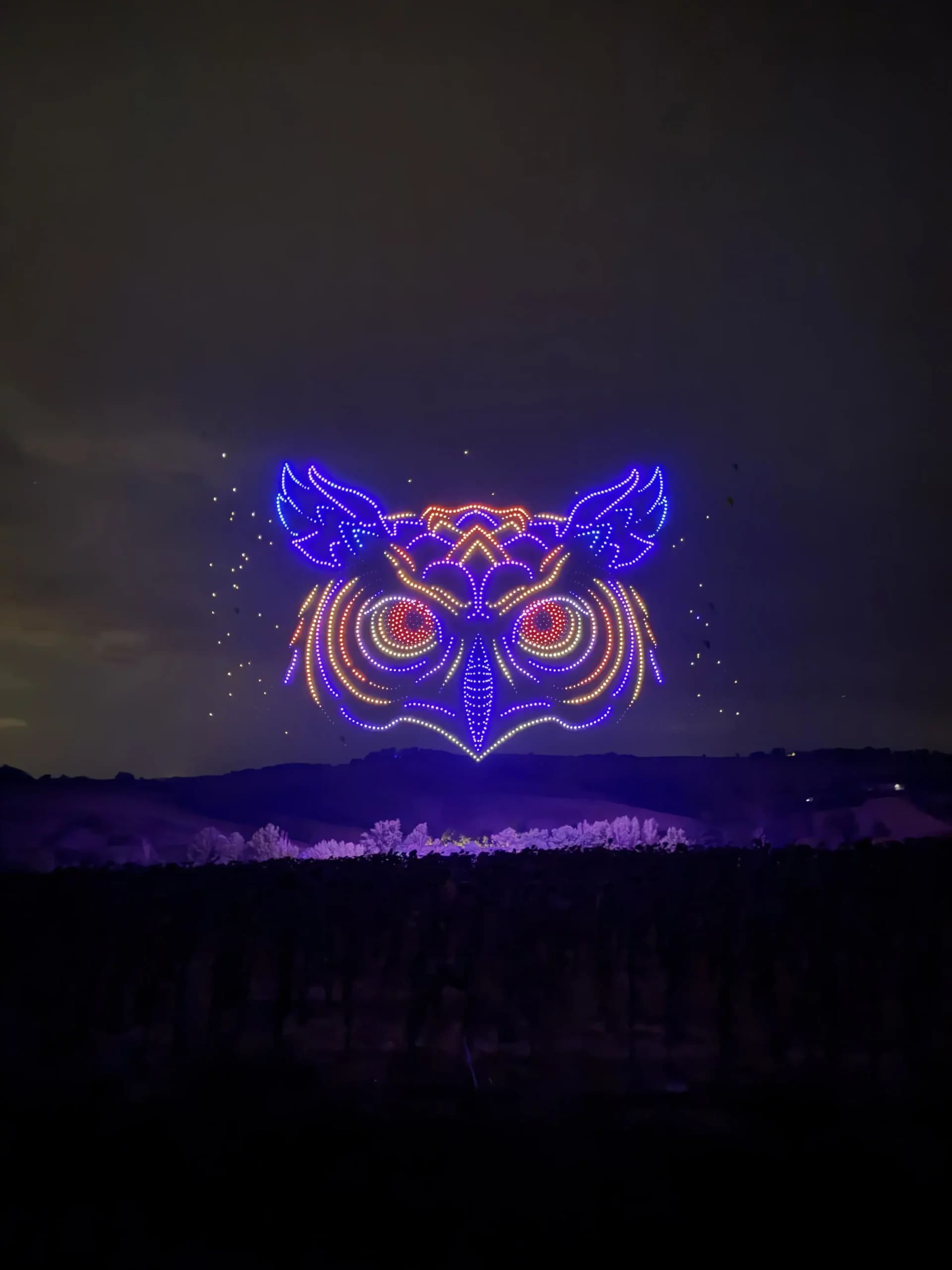

Buying light show drones involves more than comparing LED brightness or the price of individual units. For professional operators, the right investment depends on equipment reliability, creative capabilities, deployment requirements, and long-term support.
Whether you are launching a drone show business or expanding an existing fleet, understanding how these elements work together will help you choose equipment suited to your ambitions and budget.
What to Look for When Buying Light Show Drones
Before comparing manufacturers, consider the technical specifications, ease of use, and compatibility of the equipment with your intended operations.
Equipment Quality and Reliability
Endurance is an important factor when selecting a show drone. Battery capacity must be sufficient for the planned animation, taking into account environmental conditions and appropriate safety margins. Ask manufacturers about expected operating time and the conditions under which their figures were measured.
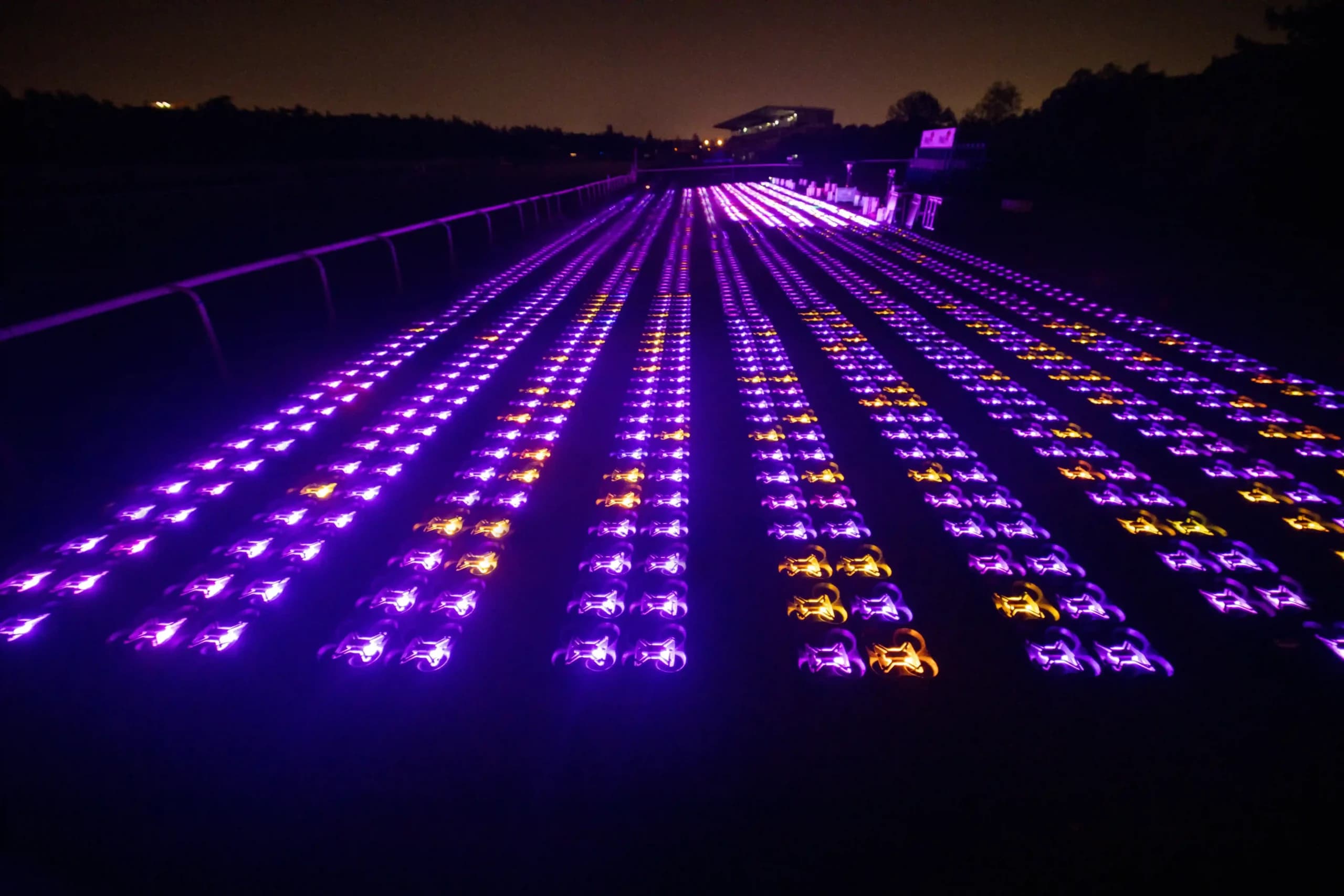
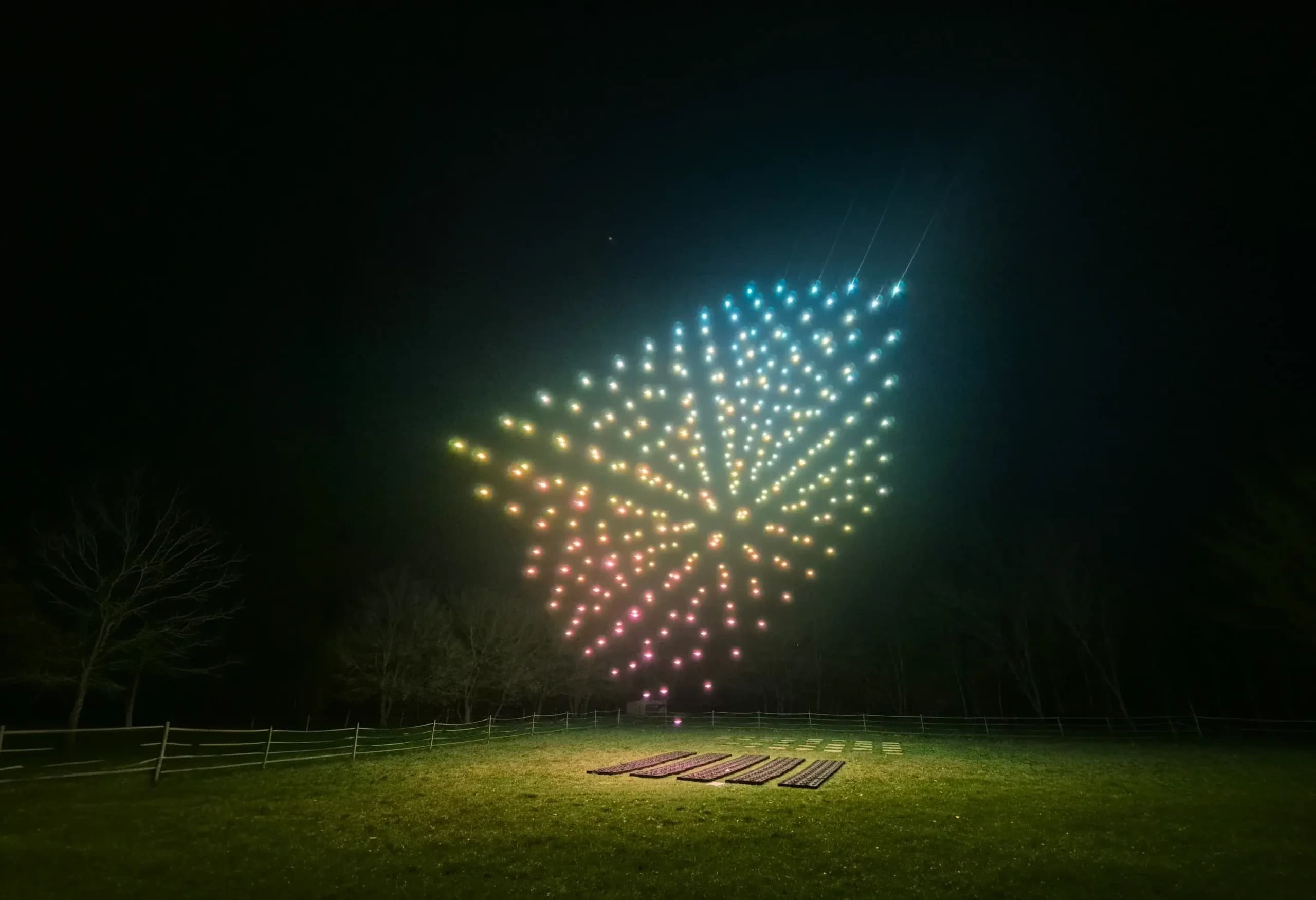
LED quality also influences the final result. Brightness, color accuracy, and visibility determine how clearly formations, logos, and animations appear in the sky. A well-designed lighting solution balances visual impact with energy consumption, helping maintain consistent colors throughout a show.
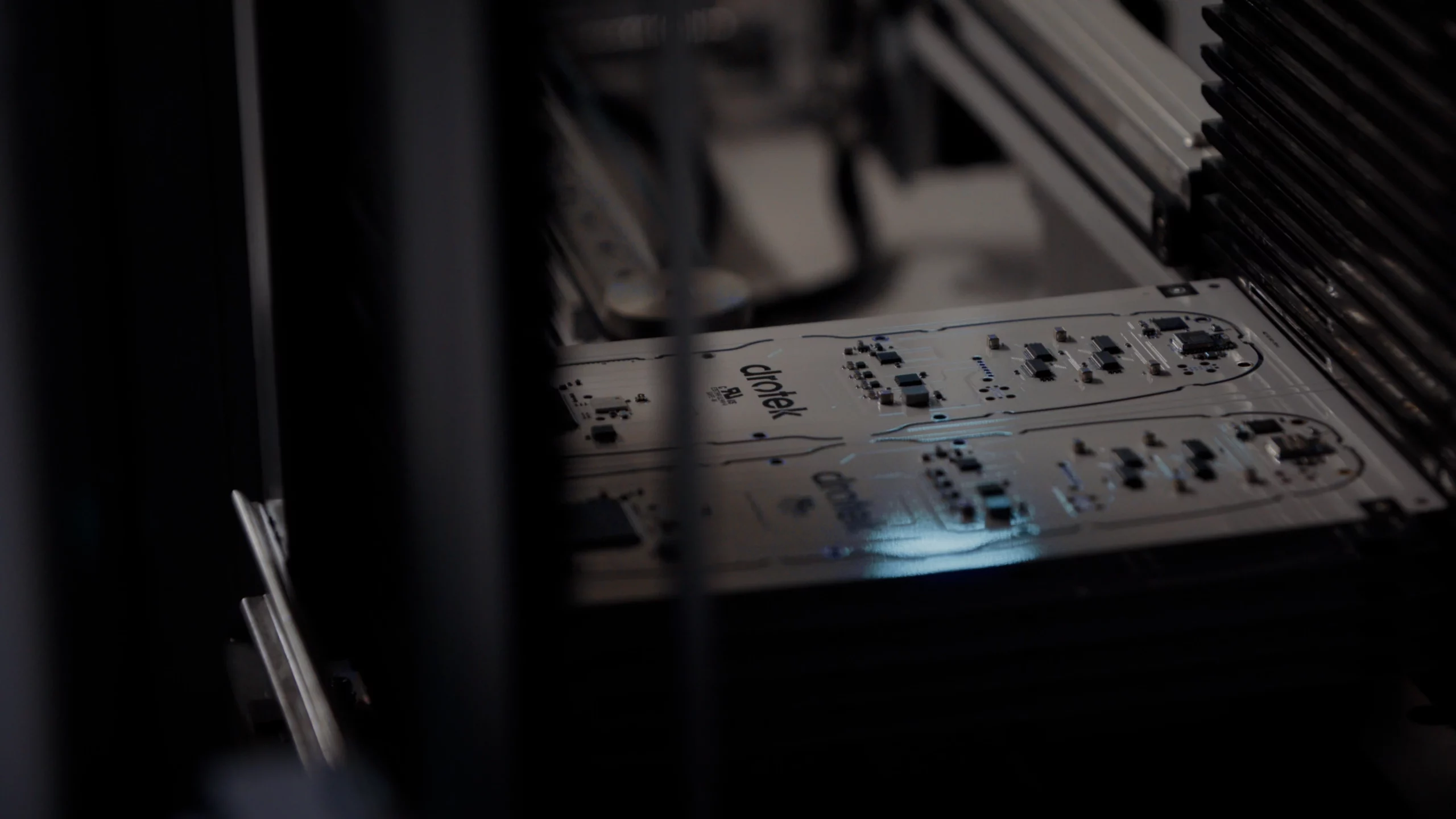
Reliability matters just as much. Equipment designed for repeated use, with consistent performance and straightforward maintenance, helps operators prepare productions with fewer disruptions. Ask about spare parts, maintenance procedures, and the availability of technical assistance before making a purchase.
Ease of Use and Deployment
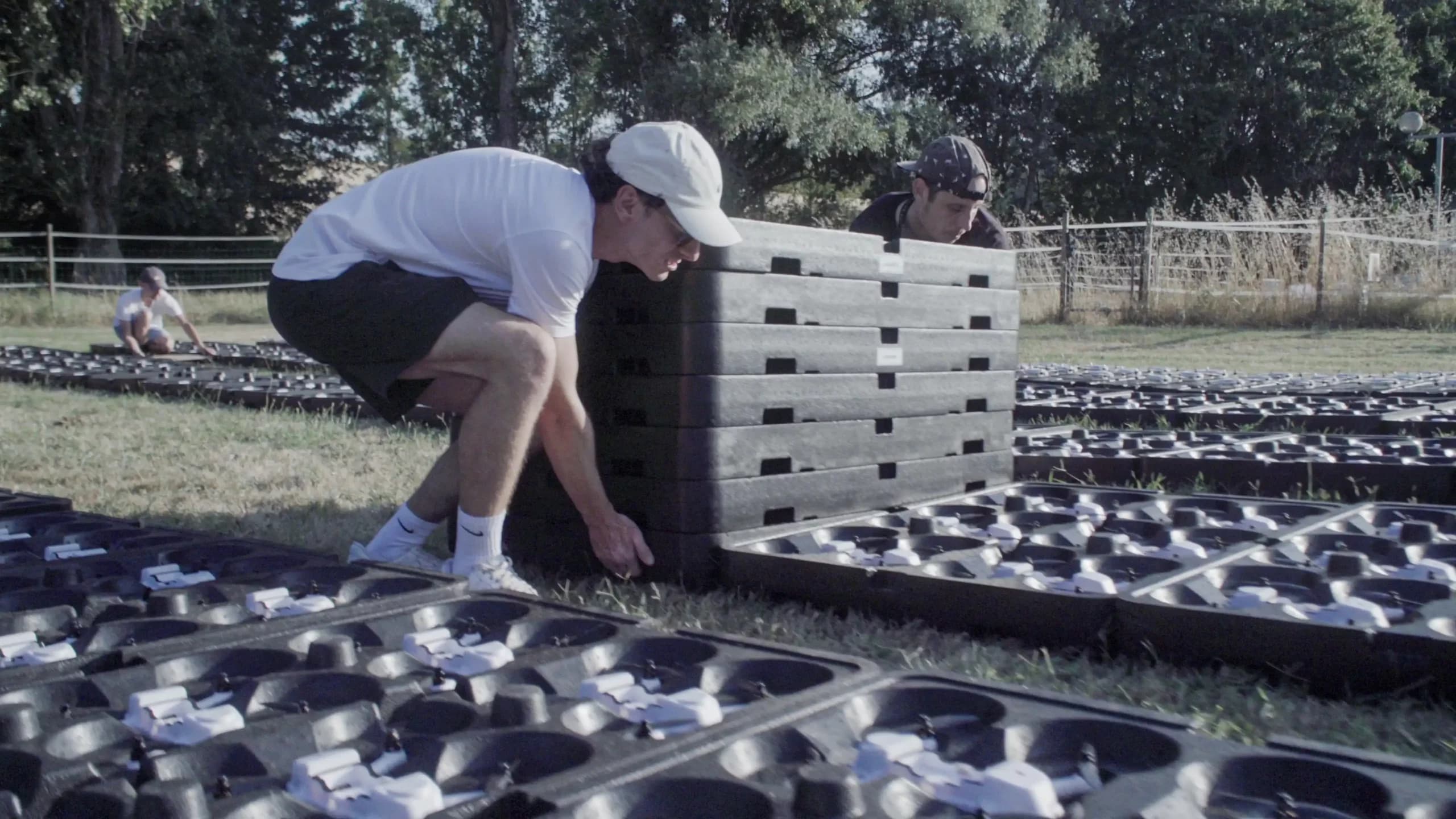
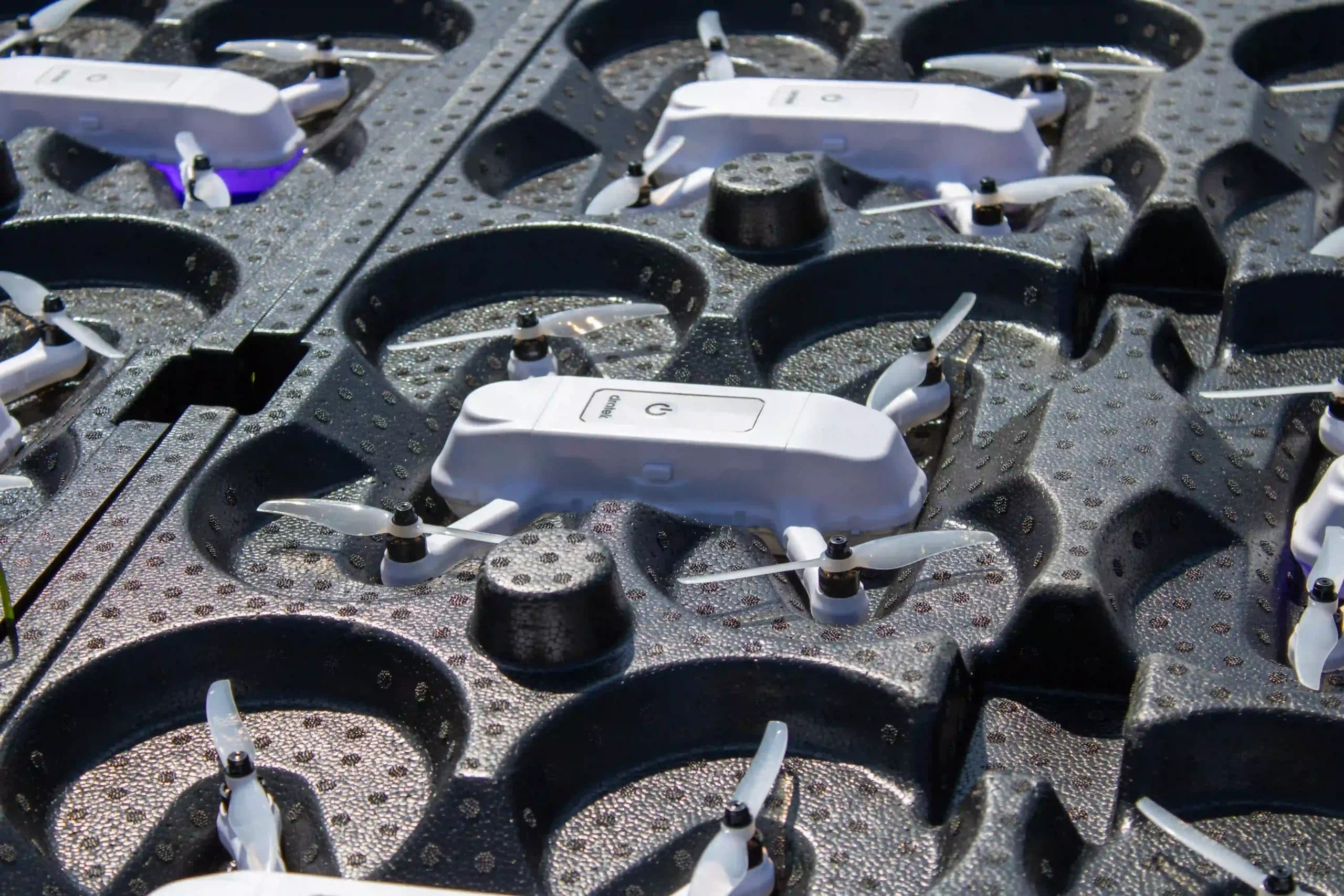
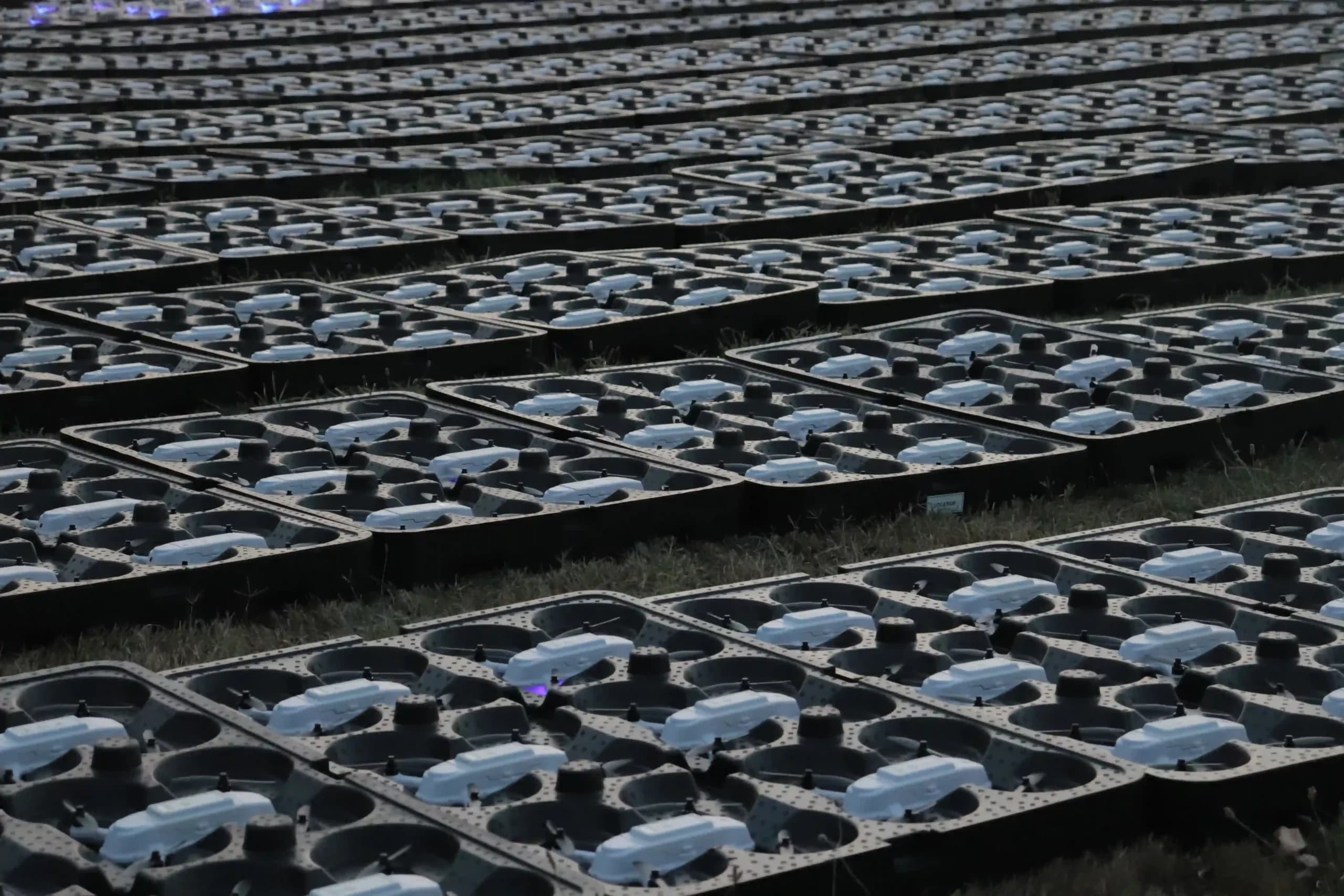
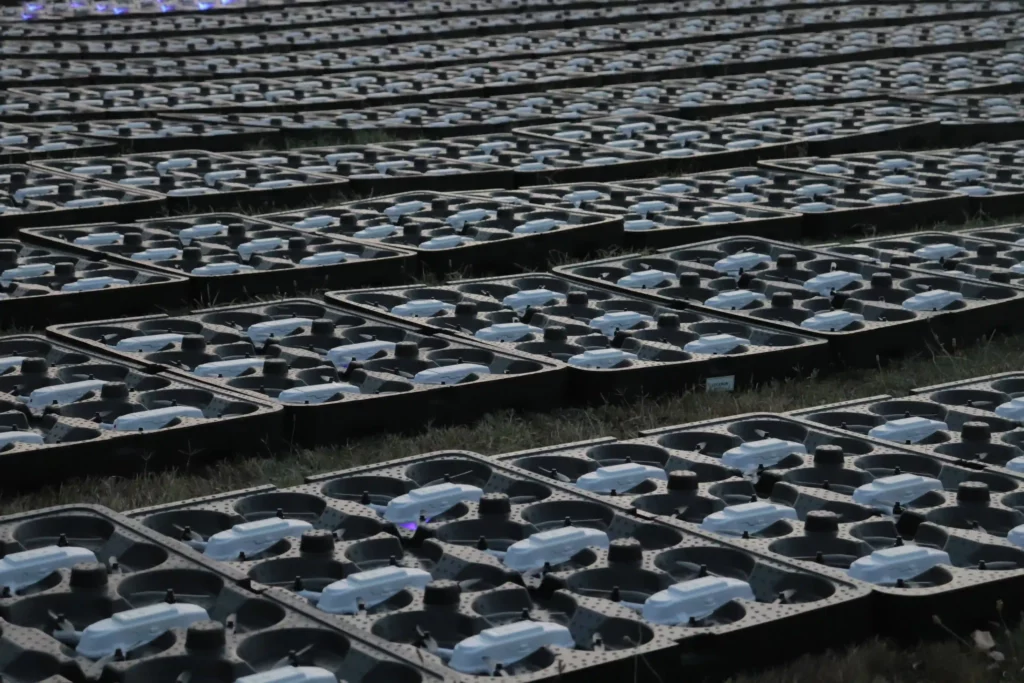
Preparing a drone light show involves organizing the fleet, charging batteries, positioning drones, and completing pre-show checks. Efficient infrastructure simplifies these tasks, particularly when hundreds of units must be prepared within a limited timeframe.
Look for practical transport and deployment solutions, as well as clear interfaces for managing operations. Consider how many people are required for setup and whether the equipment can be handled efficiently at different venues. These practical details can affect preparation time and the number of productions a company can undertake.
The experience of established operators can also help when assessing a manufacturer. Drone de Ciel, Allumee, Lunatx and Drone Cast Company have used Drotek technology in their operations.
Regulatory Compliance
Check that the equipment meets the requirements of your intended markets. CE marking and FCC compliance address different regulatory frameworks, so verify the relevant documentation for each product and destination.
Product compliance does not automatically authorize every flight. Local aviation rules, site restrictions, permissions, and safety procedures must also be considered before a show can take place. Requirements may differ between countries and locations, so confirm them early when planning to work internationally.
The Role of Show Design Software
Hardware is only one part of a drone light show. Dedicated software helps artists turn creative concepts into coordinated aerial animations.
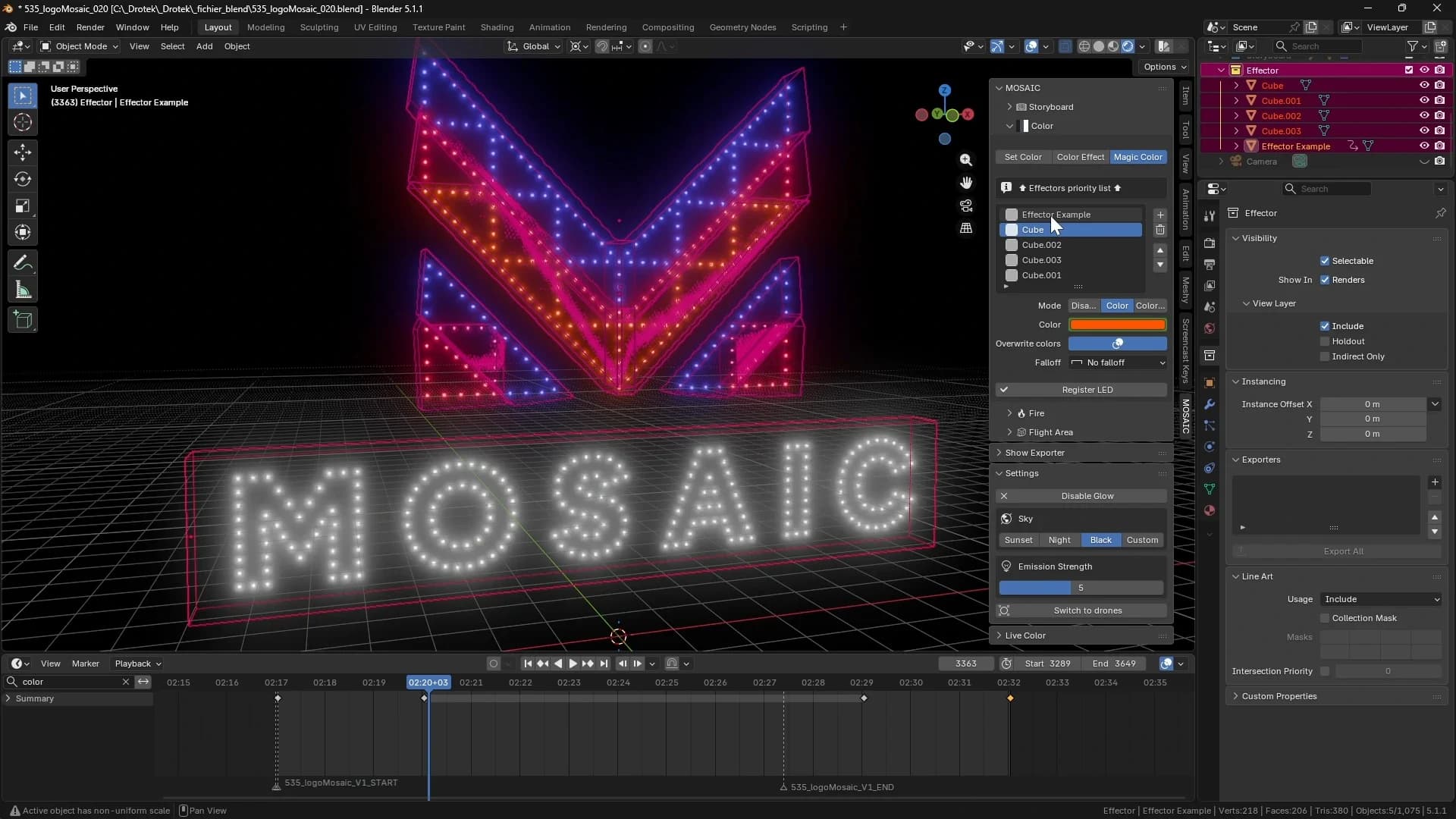
A 3D design environment allows users to build formations, preview movements, and refine transitions before the drones take off. Validation features can also help identify potential conflicts between trajectories. The ability to review an animation in advance makes it easier to refine the visual result before preparing the mission.
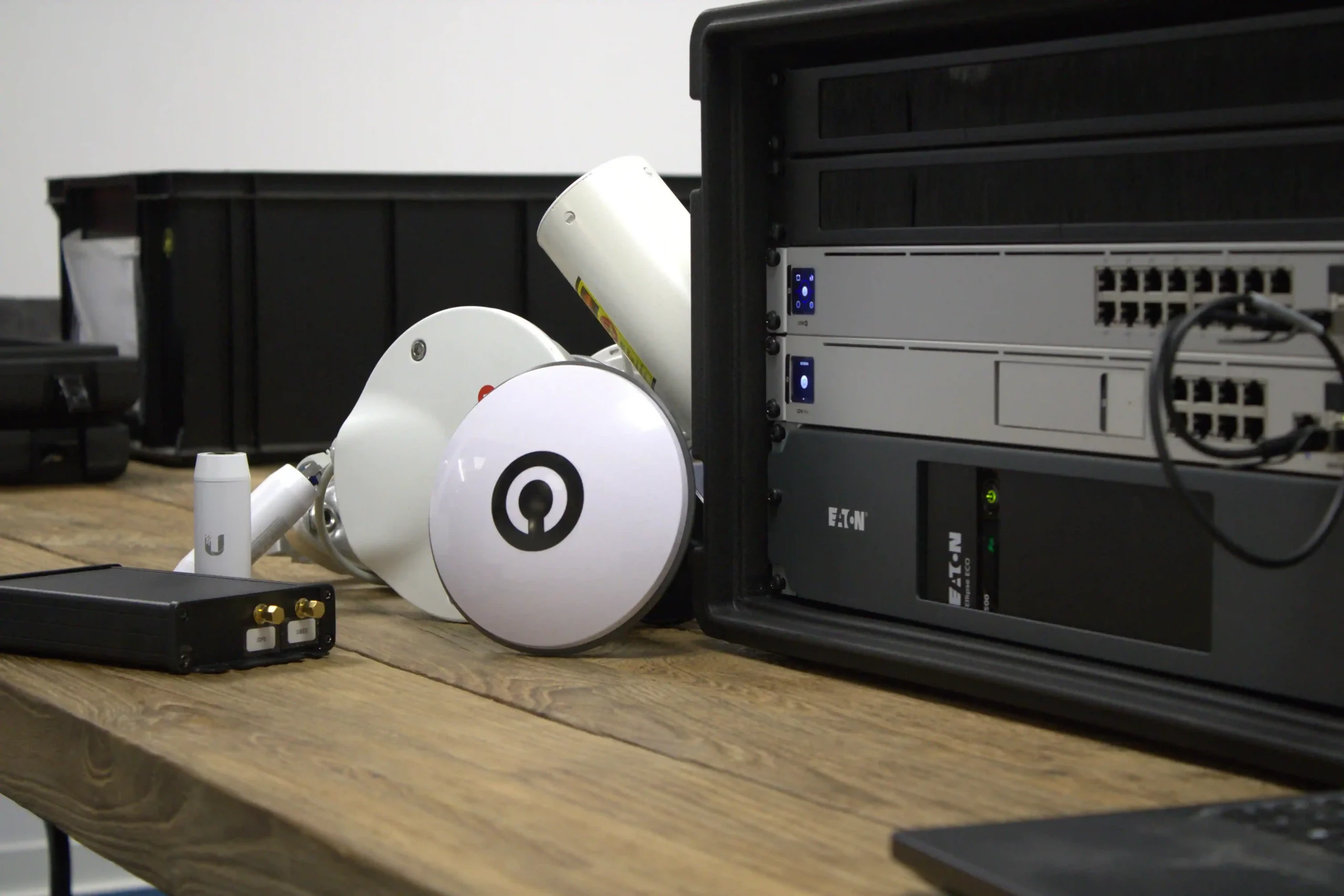
Drotek's Mosaic is designed to create and prepare drone light shows. It works alongside the Ground Control Station (GCS), which manages the drones and their operation. These applications have distinct roles and should be assessed as part of the wider ecosystem.

Buying a Complete Drone Light Show System
A fleet is only one component of a professional setup. Operators also require charging infrastructure, deployment equipment, control capabilities, and the expertise to prepare productions efficiently.
Assess the Total Cost of Ownership
The initial purchase amount does not tell the whole story. A realistic budget should account for the equipment and resources required throughout its working life.
Depending on the configuration, a package may include:
- Drone fleet: a number of units suited to your target productions.
- Batteries and charging stations: the capacity required to prepare the fleet between shows.
- Deployment equipment: solutions for transporting, organizing, and positioning drones.
- Software licenses: applications for designing animations and managing operations.
- Training and technical support: instruction, troubleshooting, and ongoing assistance.
- Maintenance and spare parts: resources to keep equipment operational.
Compare these elements before making a decision. A lower initial price may lead to higher operating expenses if additional infrastructure or more manual work is required. Ask for a breakdown of what is included and identify any recurring fees, replacement costs, or optional services that could affect your budget.
Choose Equipment That Can Scale
The right starting fleet depends on your budget, target customers, and creative ambitions. A smaller configuration can help a new business build experience and develop a portfolio before taking on larger productions.
As demand grows, compatible equipment makes expansion easier. Ask manufacturers how additional drones integrate with existing components and whether upgrades will be required as your operations become more complex.
It is also worth considering the types of projects you want to pursue. Weddings, public celebrations, brand activations, and large-scale productions can have very different requirements. Your initial investment should reflect the work you expect to secure, while leaving enough flexibility to explore new opportunities.
Consider Training and After-Sales Support
Technical knowledge and creative skills are both essential to delivering reliable shows. Training should cover equipment operation, preparation procedures, safety requirements, and the applications used to design and manage productions.
After-sales assistance is equally important. Check how the manufacturer handles technical questions, replacement parts, updates, and troubleshooting. Ask who to contact when an issue arises close to a scheduled show and what assistance is available as your team gains experience.
Drotek provides a three-day training program covering its hardware, software, and show creation process. Support can extend to the first show on site, while Drotek Design helps customers create or modify animations in Mosaic.
Compare What Is Included
Before committing to a supplier, confirm exactly what the package covers. Check whether batteries, charging stations, deployment equipment, software licenses, and customer support are part of the quotation or billed separately.
An integrated ecosystem can simplify preparation and reduce the need to coordinate several suppliers. Compare not only the equipment itself, but also how the components work together and whether the manufacturer can support your business as it develops.
Why Choose Drotek for Your Light Show Drones?
Drotek designs and manufactures drone light show technology, with engineering and production capabilities in France and manufacturing operations in the United States.
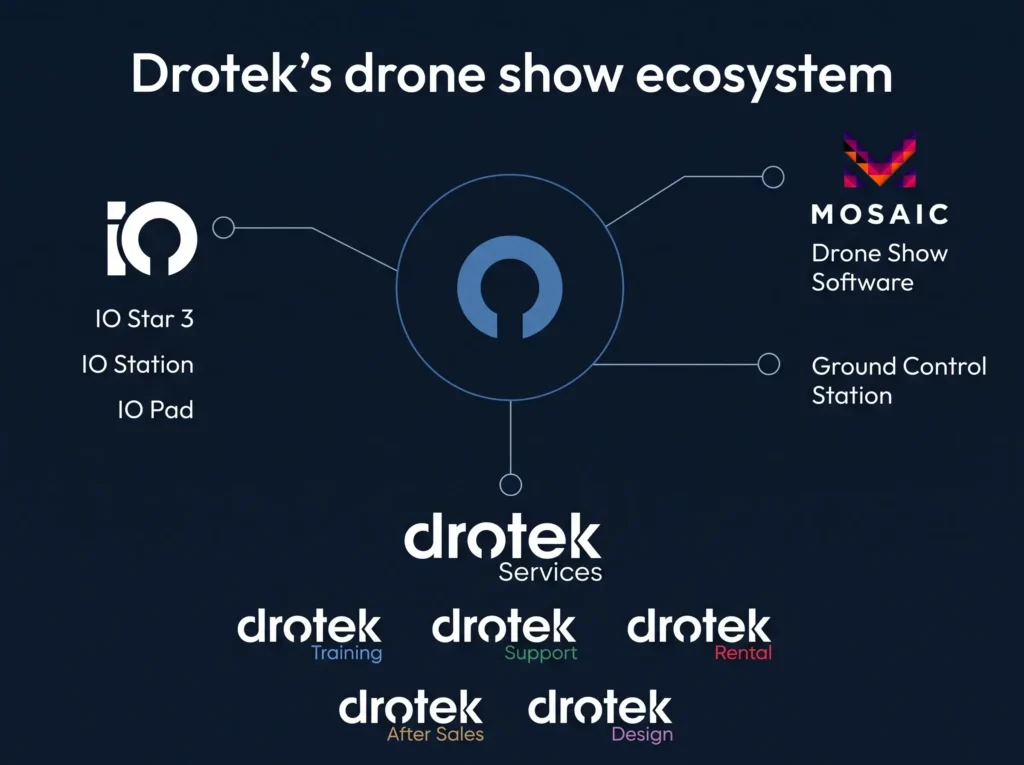
Its ecosystem brings together the IO Star 3 drone, Mosaic design software, the Ground Control Station, IO Pad deployment infrastructure, and IO Station charging equipment. Each component serves a specific purpose within the wider workflow.
Beyond hardware, Drotek provides operator training, technical assistance, and Drotek Design services. This combination gives show companies access to equipment and expertise from a single technology partner, helping them develop their capabilities as their business grows.