
The complete guide to building scalable, reliable, and repeatable drone show operations
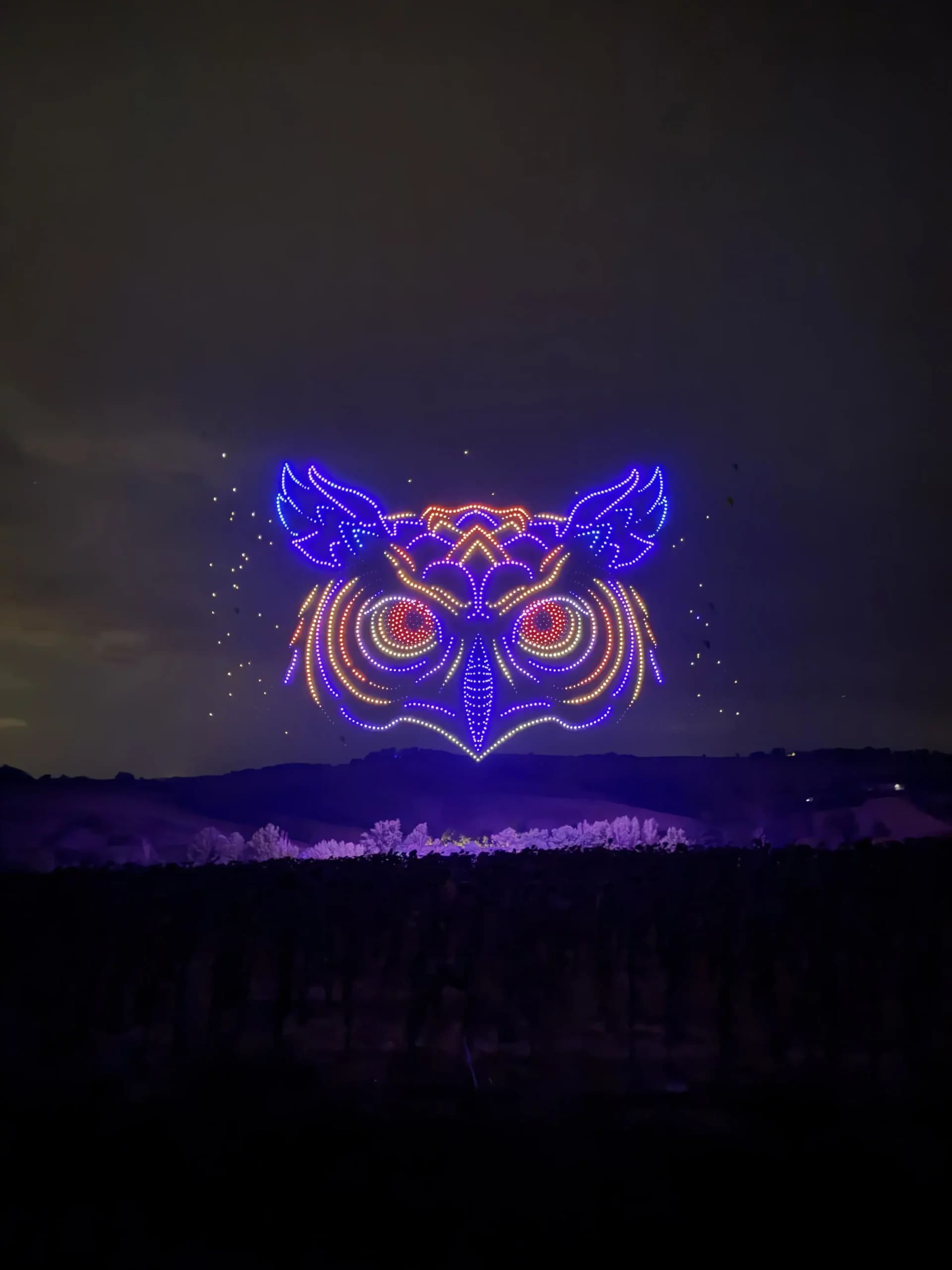
A drone light show is a synchronized aerial display in which drones equipped with LEDs create visual patterns in the sky.
Drone light shows have undergone significant evolution over the past few years.
What was once considered an experimental entertainment format has rapidly become a must-have attraction for festivals, sporting events, national celebrations, luxury brands, theme parks, and large-scale live productions. Audiences now expect larger formations, smoother animations, more complex visual storytelling, and increasingly ambitious aerial displays.
As the industry matures, one reality becomes clear: building a professional drone show business is no longer simply about owning more drones.
The firms leading the market in 2026 are the ones capable of deploying reliable, repeatable, and touring-ready operations at scale.
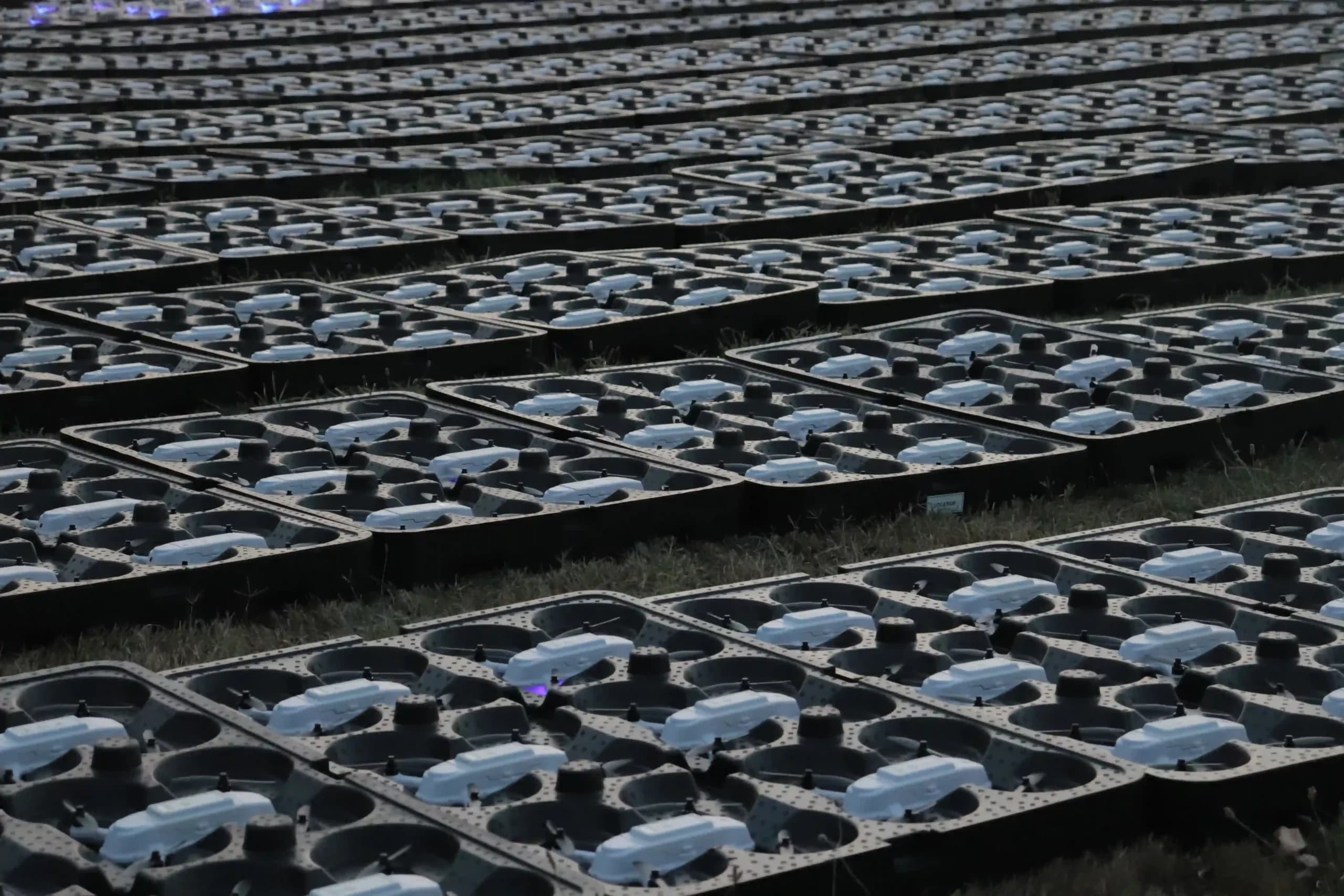
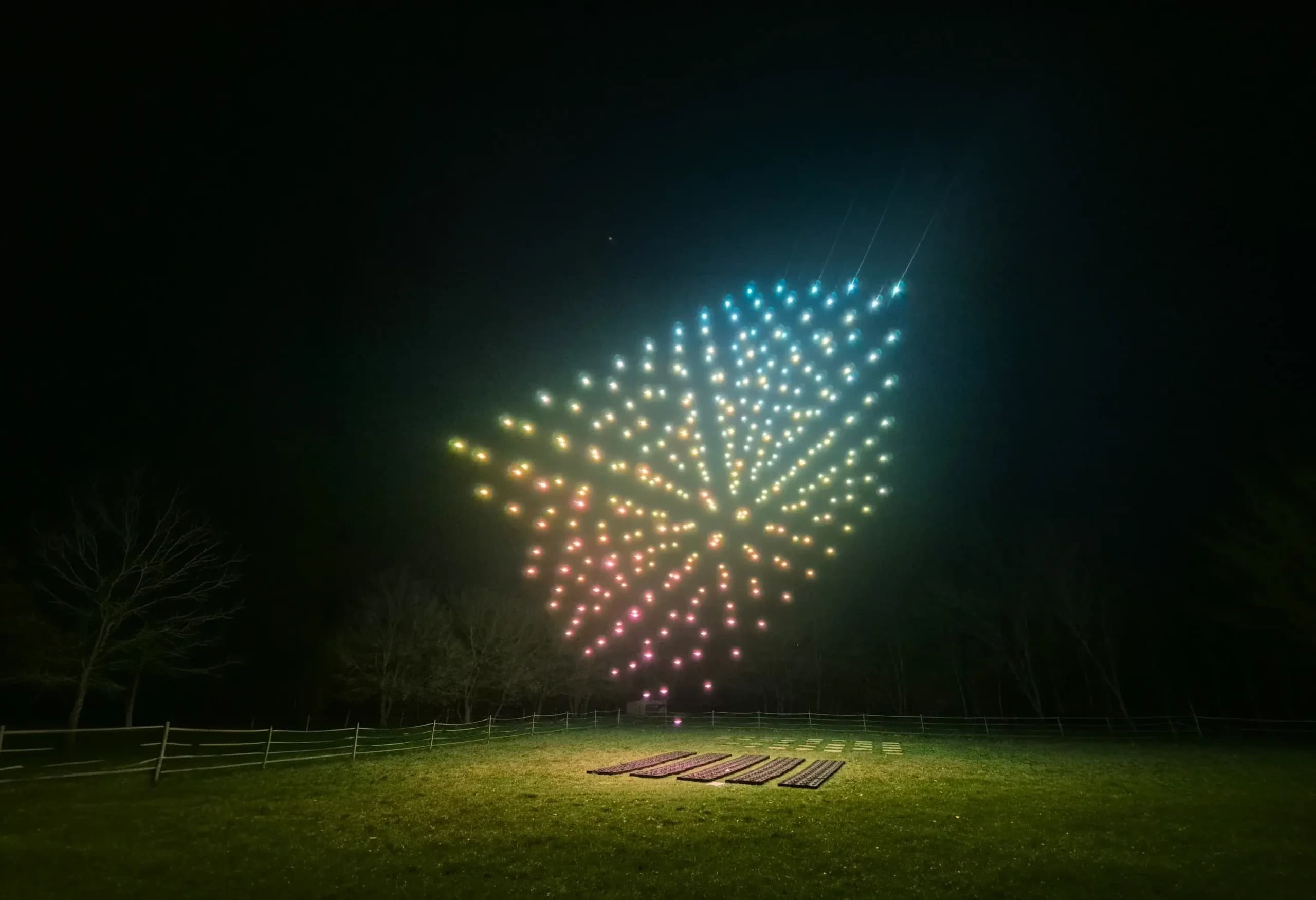
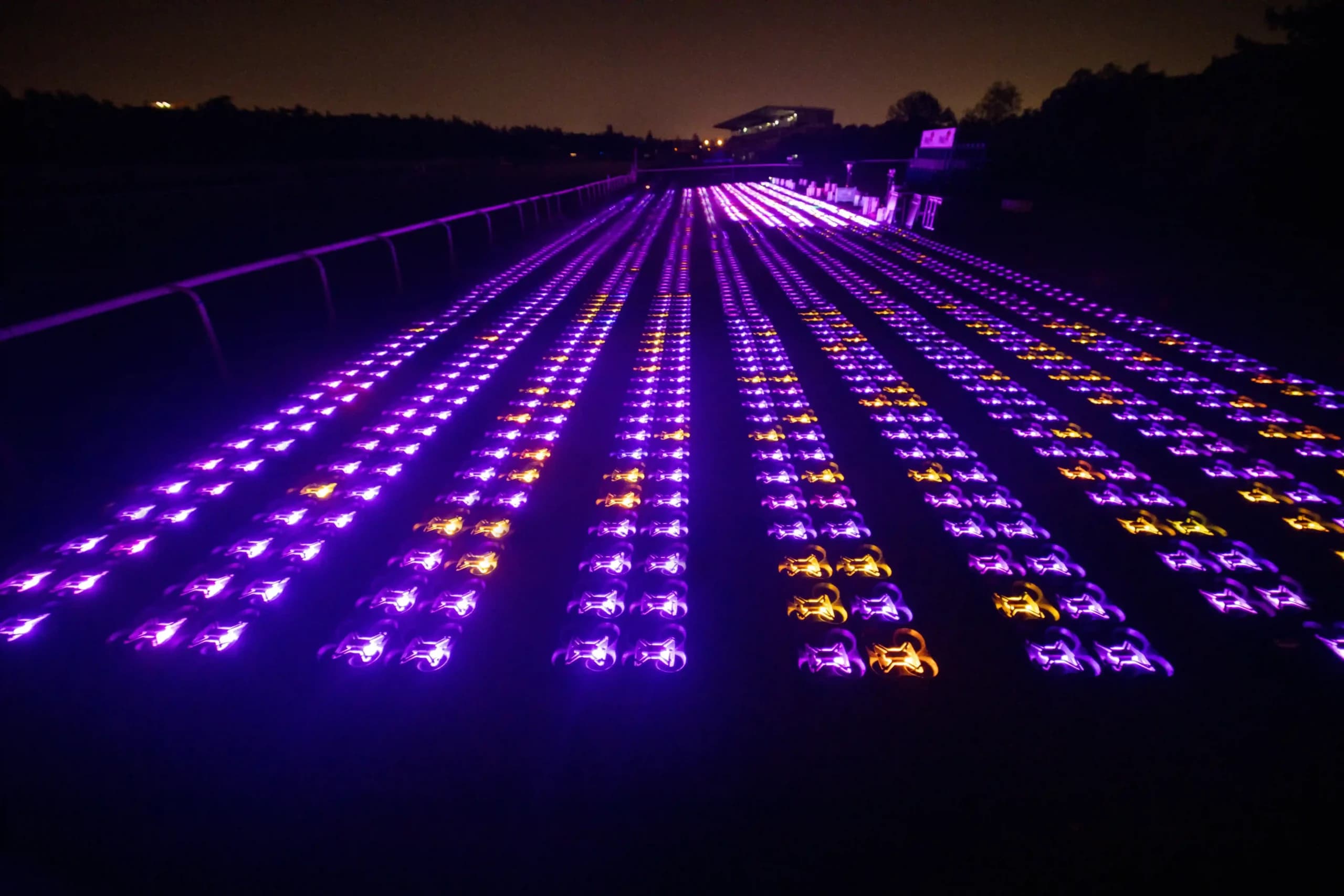
For audiences, a 1,000-drone show lasts only around fifteen minutes, or more than 30 minutes with Drotek’s solution. Behind the scenes, however, it relies on a highly coordinated operational ecosystem involving:
- Professional drone show drones;
- Fleet management infrastructure;
- Battery logistics;
- Communication systems;
- Synchronization technologies;
- Security procedures;
- Transportation workflows;
- Maintenance operations;
- Crew coordination;
- Regulatory compliance.
For event production leaders and technical directors, choosing the right platform has become a strategic operational decision.
This guide explores the real challenges behind operating a thousand-unit drone in 2026, the operational complexity introduced at this scale, and why integrated ecosystems are increasingly becoming the standard for specialist operators.

Why large-scale drone light shows are becoming the industry standard
Drone shows are no longer niche productions.
According to Grand View Research, the global drone light show market was valued at approximately $1.56 billion in 2024 and is expected to exceed $6 billion by 2033, driven by growing demand for large-scale entertainment, tourism events, and brand activations.
Cities now use them for public celebrations. International brands integrate them into marketing campaigns. Festivals include them in their artistic programming. Sports organizations rely on them for opening ceremonies and halftime shows.
At the same time, audience expectations are rising rapidly.
A few years ago, a 100-drone show was enough to create a sense of wonder. Today, many premium productions involve several hundred drones, while major international events now deploy thousand-unit drone swarms capable of creating monumental animated scenes across the sky.
This evolution is fundamentally transforming how drone show companies structure their operations.
Instead of producing isolated one-off performances, operators are now looking for platforms capable of supporting:
- Repeated displays;
- Multi-city tours;
- Fast deployments;
- Heavy synchronization loads;
- Long-term fleet operations.
The real challenge is no longer simply reaching this scale once.
The challenge is being able to reproduce it consistently.
And that changes everything.
What changes when a fleet exceeds 1,000 drones?
Operating 1,000 drones is fundamentally different from managing a smaller swarm.
At this scale, complexity increases across every dimension of the operation.
A larger fleet means managing more batteries, increased communication traffic, higher transportation volume, additional setup procedures, greater maintenance requirements, stricter synchronization constraints, increased operational risk exposure, and more complex crew coordination.
The key point production teams must understand is that complexity does not scale linearly.
A 1,000-drone operation is not simply “twice as difficult” as a 500-drone operation.
In practice, every additional drone creates new dependencies within the overall ecosystem.
This is why the most successful operators focus less on individual drone specifications and more on the overall operational architecture.
At a large scale, the platform becomes more important than the aircraft itself.
The importance of integrated ecosystems
One of the biggest changes happening in the industry is the gradual move away from fragmented infrastructures, for example, in-house hardware combined with third-party software, or the opposite.
In the early years of drone light shows, many operators built their systems by combining multiple independent technologies:
- Third-party autopilots;
- Separate communication modules;
- External positioning systems;
- Independent charging solutions;
- Multiple software environments.
While this approach offered flexibility, it also introduced significant operational friction.
As fleets expanded, these fragmented systems became increasingly difficult to maintain and scale efficiently.
Operators frequently faced longer troubleshooting times, firmware inconsistencies, integration instability, slower deployments, heavier maintenance workloads, and workflows that were difficult to standardize.
In 2026, the most scalable drone platforms are increasingly being designed as complete ecosystems.
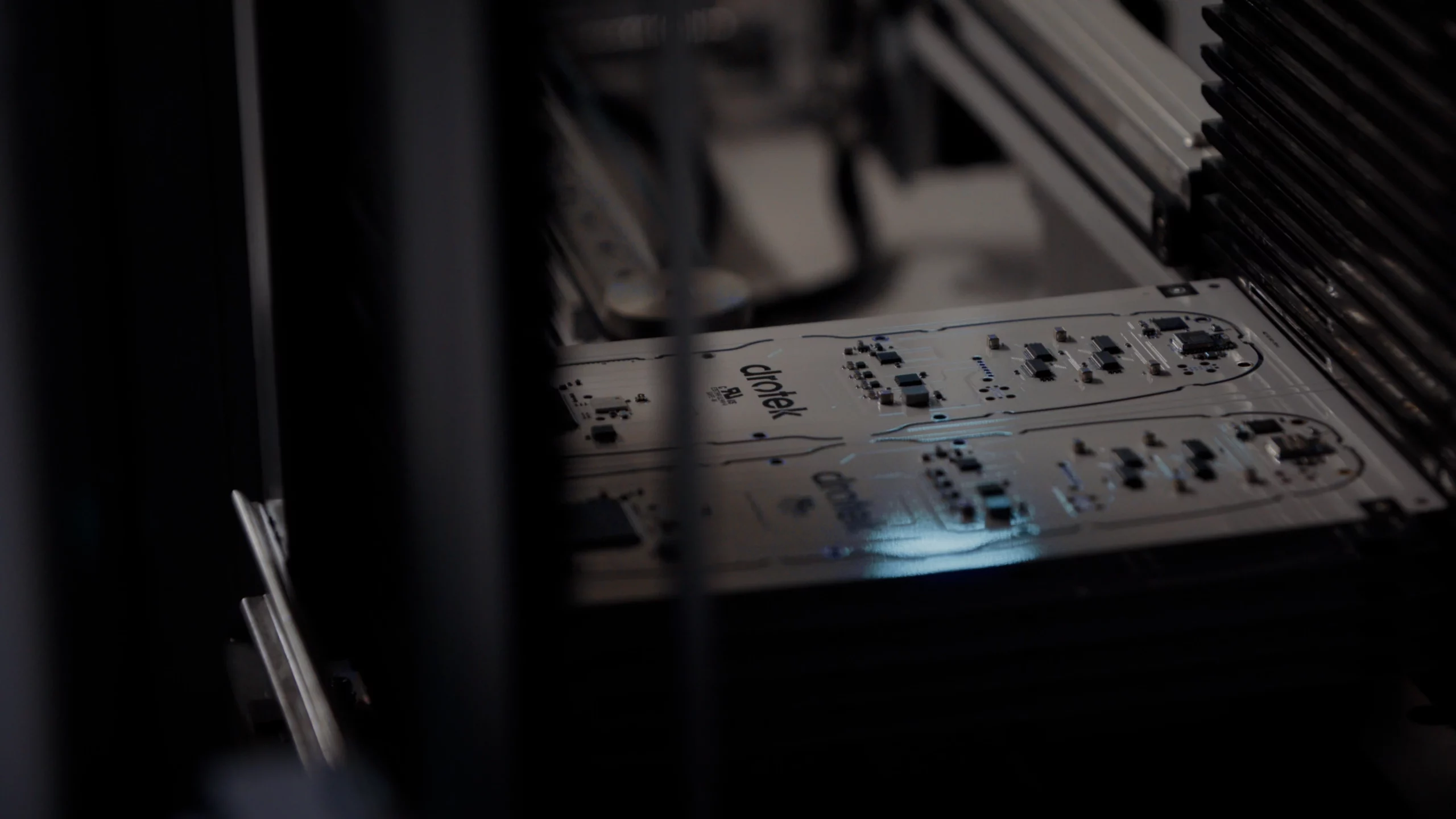
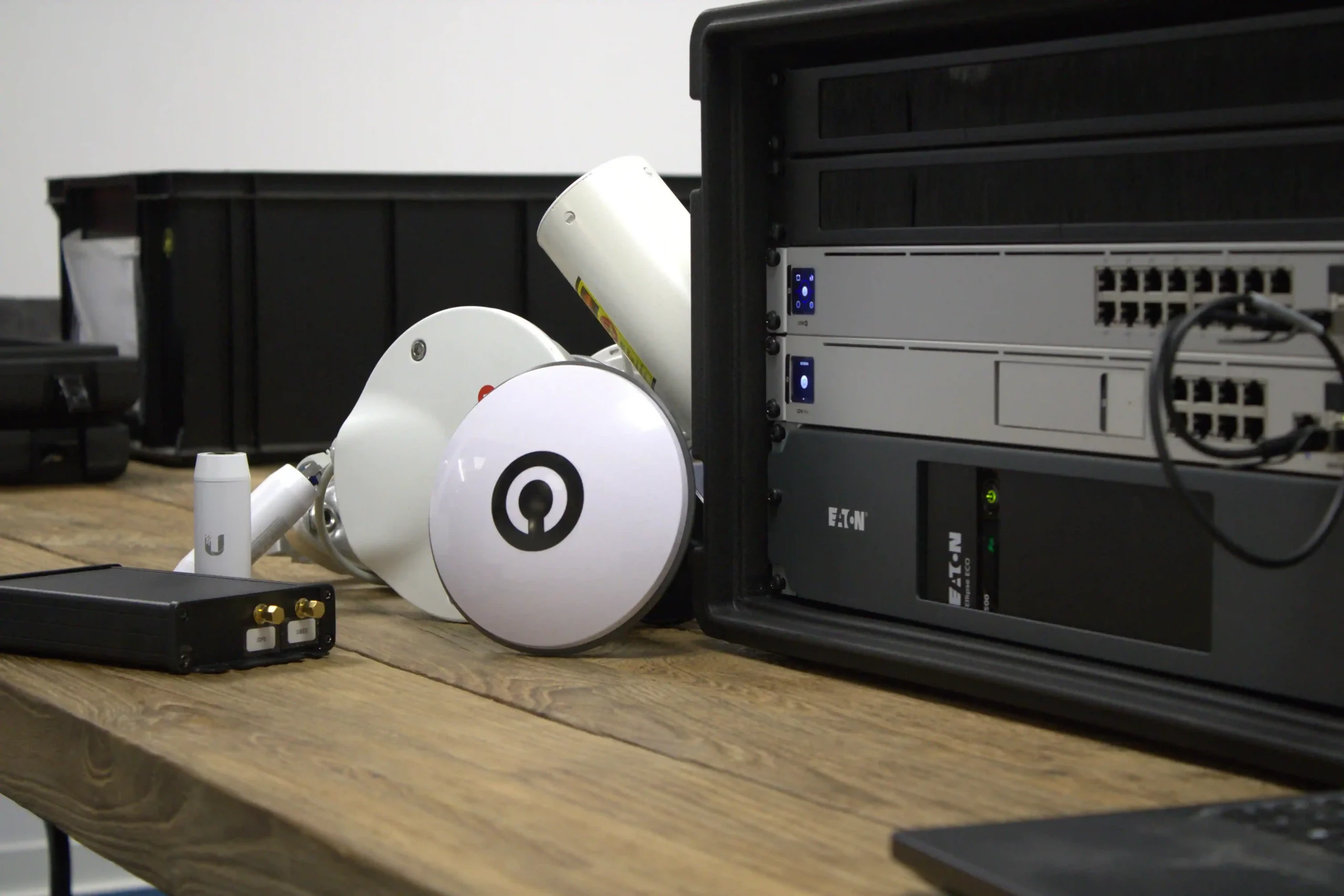
Rather than treating the drone as an isolated product, these platforms directly integrate hardware, communication systems, ground stations, fleet software, charging infrastructure, monitoring tools, maintenance systems, and safety mechanisms.
This integrated approach, which Drotek has adopted for several years, significantly simplifies large-scale operations.
For touring productions and repeatable performances, standardization becomes a major operational advantage.
Every minute saved during setup, maintenance, or troubleshooting has a direct impact on profitability and production efficiency.
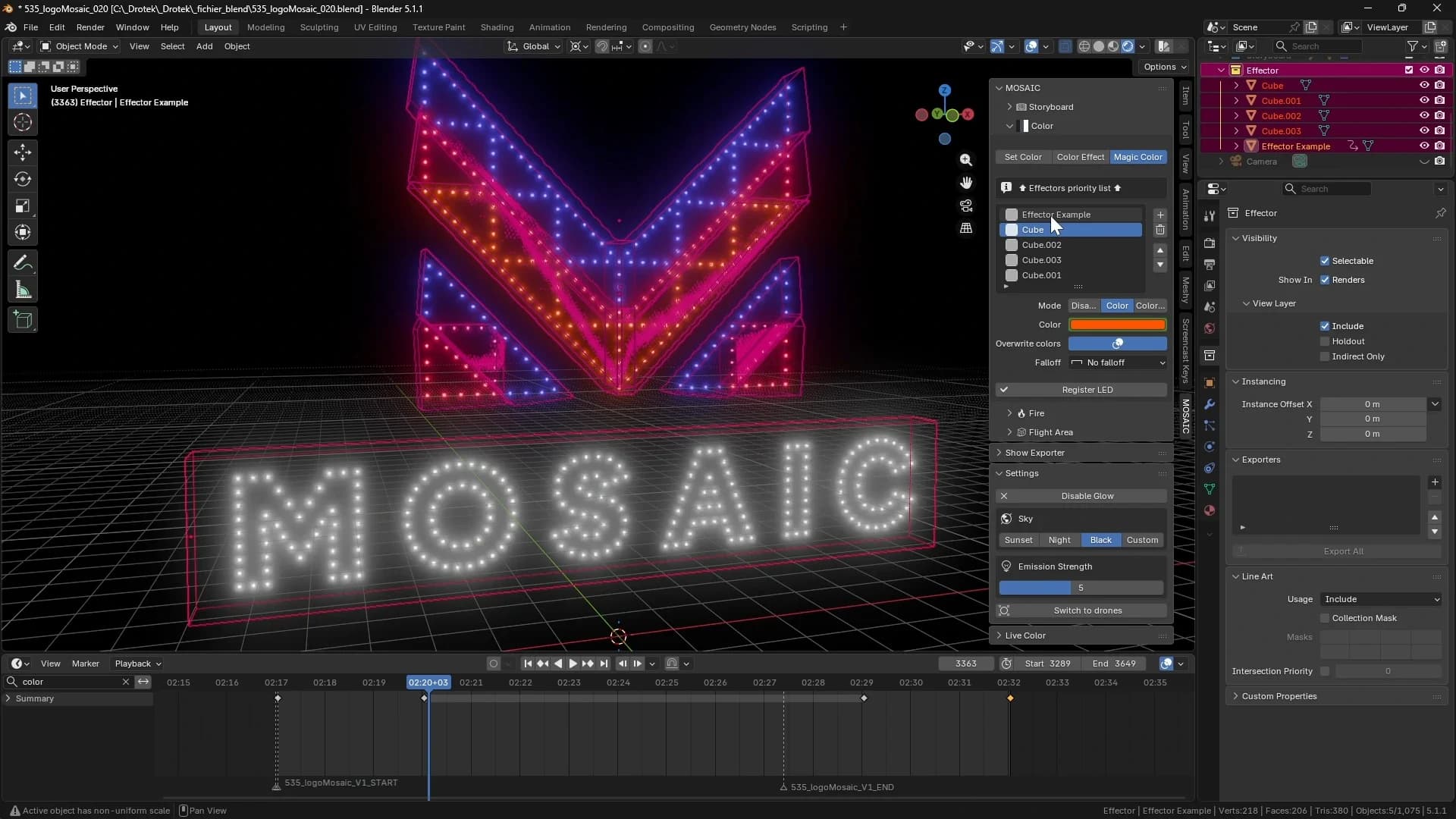
The role of the show software does not end once the drones land.
Choosing the right professional drone light show drones
Not all drones are designed for large-scale entertainment operations.
Qualified illuminated LED show drones must prioritize consistency, operational efficiency, and repeatability over raw performance.
At this scale, real-world operational constraints become far more important than theoretical specifications.

Lightweight design improves operational efficiency
A lightweight platform creates advantages across the entire production chain.
Lighter drones generally mean:
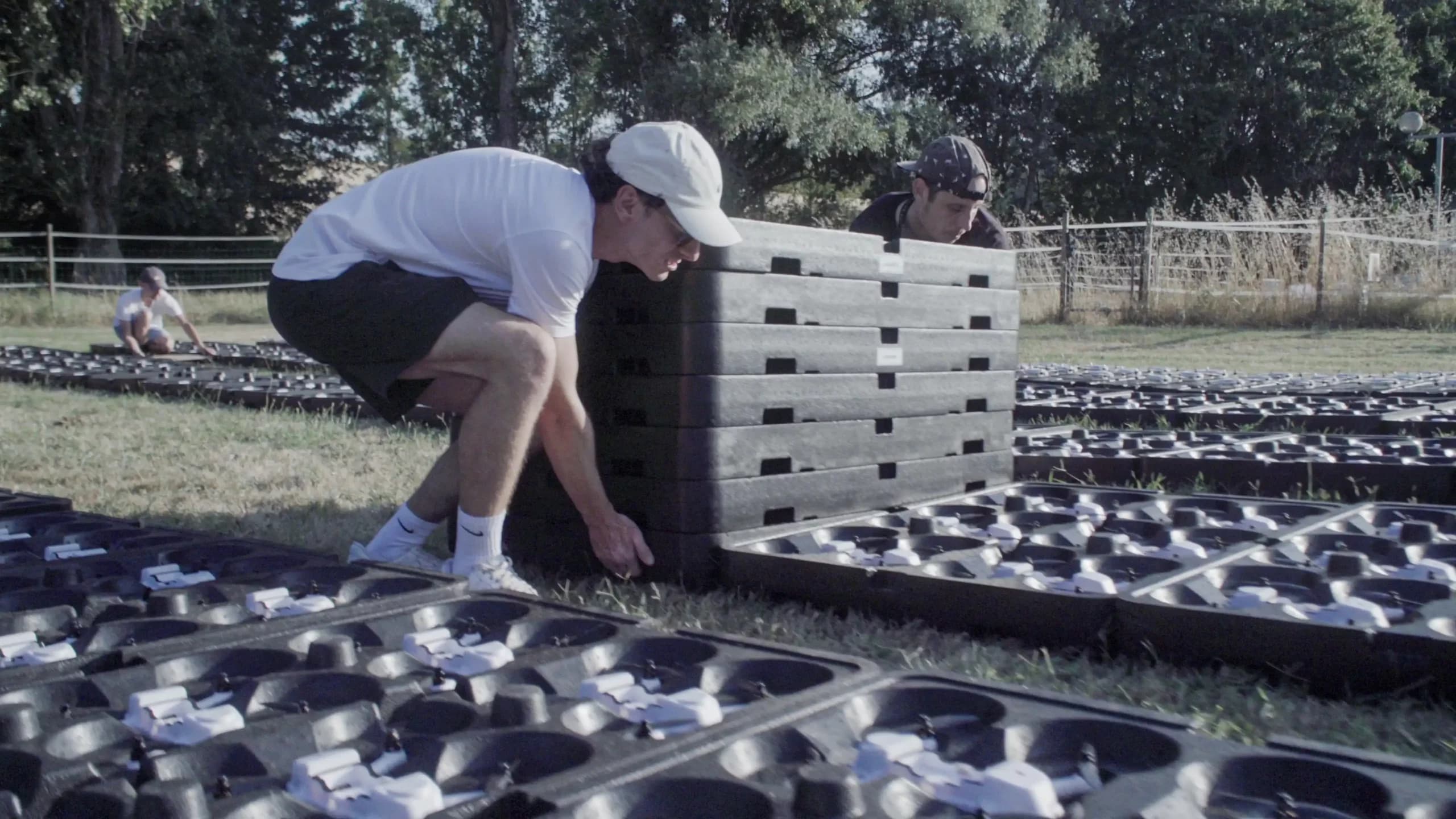
- Easier transportation;
- Faster deployment;
- Lower energy consumption;
- Reduced charging requirements;
- Simplified handling;
- Higher storage density.
When fleets reach several hundred or thousands of units, these gains become extremely significant.
Even a slight reduction in aircraft weight can dramatically improve logistics during touring operations.
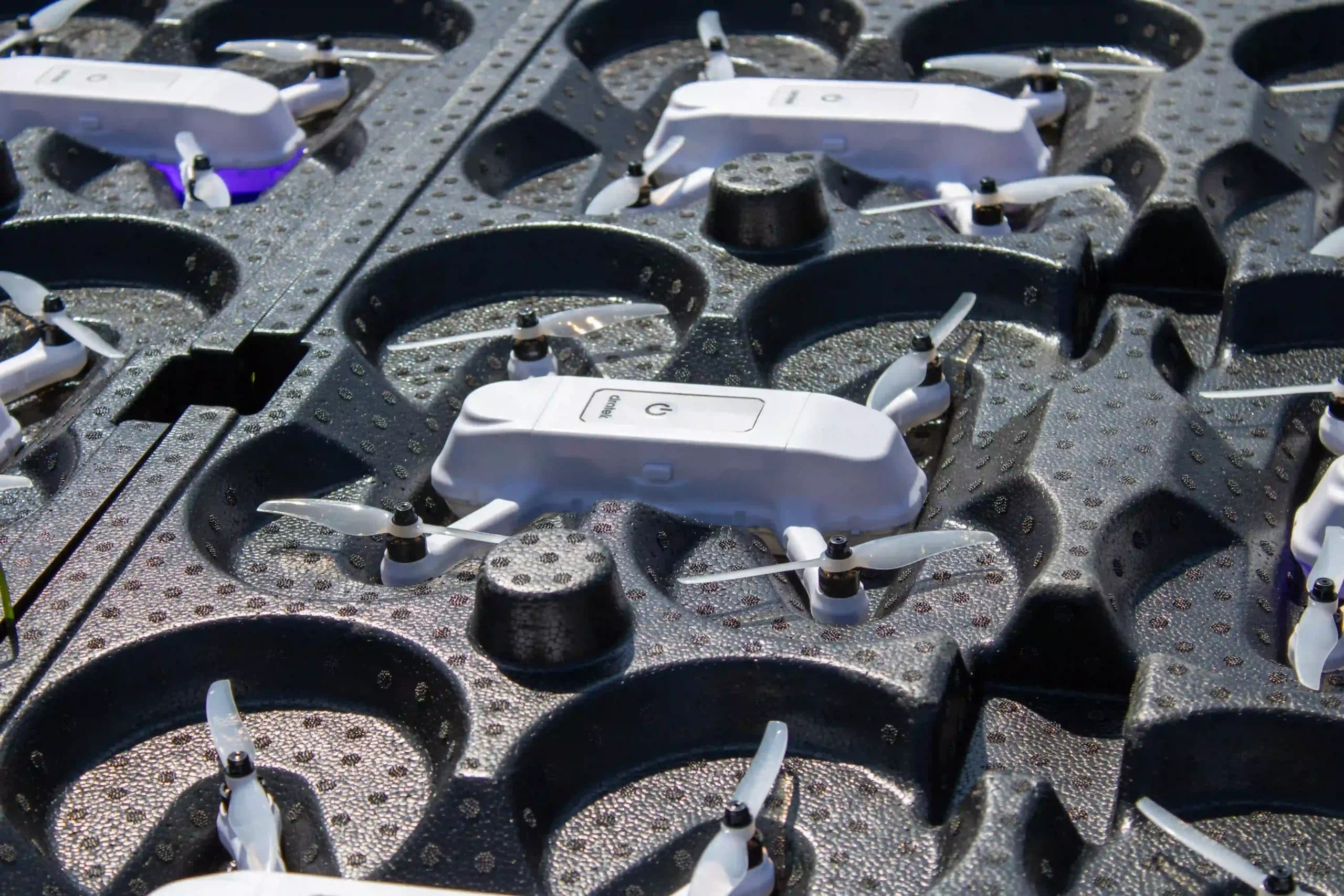
This is why modern drone swarm platforms prioritize compact and highly optimized designs, such as the IO Star 3 and its 380g weight, making it the lightest illuminated drone on the market.
Reliability matters more than maximum performance
In a fleet of 1,000 drones, even a small failure rate can affect multiple aircraft.
Reliability, therefore, becomes a critical priority.
Expert drone show equipment now relies on industrial-grade components, robust communication architectures, stable positioning systems, optimized thermal management, and advanced diagnostic and monitoring tools.
The objective is not simply to make drones fly.
The objective is to reduce operational uncertainty.
Large productions require predictable performance under demanding real-world conditions, including repeated touring schedules, consecutive show days, long transportation phases, variable weather conditions, and temporary infrastructures.
It is what allows operators to scale with confidence
Visual consistency becomes essential
The visual quality of a drone light show depends heavily on consistency.
At a smaller scale, slight brightness variations may go unnoticed.
At a large scale, they immediately become visible.
Illuminated drones must therefore provide consistent brightness, stable color rendering, long-distance visibility, predictable energy consumption, and reliable thermal behavior.
The goal is to create a visually coherent swarm rather than a simple collection of individual aircraft.
Communication systems: the invisible backbone of large swarms
Communication architecture becomes one of the most critical elements as fleets grow.
As the number of drones increases, systems must handle heavier synchronization loads while maintaining stability and responsiveness.
For technical directors, this is one of the most important criteria when selecting a scalable platform.

Why communication stability is critical
Every drone show relies on synchronization.
Audiences expect smooth movements, stable formations, precise animations, and perfectly synchronized transitions.
Achieving this level of quality with 1,000 drones requires highly optimized communication systems.
Large swarms introduce challenges such as radio congestion, interference management, data distribution, latency, and signal stability.
General-purpose communication systems are rarely designed for this type of use case.
This is why qualified drone show platforms increasingly rely on architectures specifically engineered for swarm operations.
Synchronization directly impacts artistic quality
Synchronization is not just a technical topic.
It directly affects the visual quality of the performance.
Even very slight delays become visible in geometric formations, complex animations, wave effects, or text displays.
As shows become more ambitious, synchronization stability becomes essential for maintaining premium-quality performances.
Battery logistics: one of the biggest operational challenges
Battery management is often underestimated by companies entering the market.
Yet at a large scale, it quickly becomes one of the biggest logistical challenges.
A fleet of 1,000 drones may require several thousand batteries rotating continuously throughout operations.
Operators must manage charging cycles, transportation, health monitoring, storage, temperature management, rotation planning, and backup inventory.
Without the right infrastructure, battery workflows can rapidly slow down the entire operation.
Simplifying charging operations
Professional businesses now prioritize systems designed to simplify energy management as much as possible.
Modern platforms now integrate standardized batteries, fast swap systems, intelligent charging solutions, and centralized monitoring tools.
The objective is to reduce operational complexity for crews while improving overall reliability.
For touring productions, battery logistics directly impact:
- Setup time;
- Crew workload;
- Transportation organization;
- Operational costs;
- Turnaround speed between shows.
This is one of the reasons why integrated ecosystems such as IO Star 3 are becoming increasingly attractive for large operators.
The more naturally components work together, the easier it becomes to manage large fleets reliably.
Touring productions require industrial workflows
Many drone shows are no longer isolated events.
Operators now manage multi-city tours, seasonal entertainment programs, recurring sports events, and long-term brand activations.
This creates a new fundamental requirement: repeatability.
A platform that performs well during a one-time demonstration is not necessarily suitable for industrial touring operations.
Why repeatability matters
For event producers, operational consistency is often more important than maximum performance.
A reliable and repeatable operation helps reduce setup uncertainty, improves scheduling accuracy, minimizes downtime, simplifies crew training, and standardizes maintenance.
Repeatability also strengthens client confidence.
When a drone show becomes a key attraction of an event, organizers need a predictable performance.
Reducing deployment complexity
The most scalable platforms aim to reduce friction at every stage of the process.
This includes drone deployment, ground organization, fleet initialization, mission assignment, charging operations, maintenance, and post-show recovery.
Every simplification becomes increasingly valuable as fleets grow.
Saving just a few seconds per drone can represent hours saved across an entire operation.
Safety at the scale of 1,000 drones
Security remains one of the highest priorities for professional operators.
As fleets grow larger and shows become more visible, operational standards become increasingly demanding.
This requires coordination with:
- Aviation authorities;
- Municipalities;
- Event organizers;
- Insurance providers;
- Security teams;
- Technical partners.
Modern safety architecture
Professional drones now integrate multiple layers of safety.
Modern platforms include automated pre-flight checks, geofencing, real-time monitoring, communication redundancy mechanisms, and automated safety procedures.
The goal is not to claim that failures will never happen.
The goal is to ensure that isolated incidents remain controlled and manageable.
Automation improves operational consistency
At the scale of 1,000 drones, manual checks become inefficient and error-prone.
Automation, therefore, plays a major role.
Modern systems automatically verify battery status, GPS quality, firmware consistency, communication integrity, and mission assignment.
This significantly reduces preparation time while improving repeatability.
Regulatory requirements continue to increase
Authorities around the world are now highly familiar with drone light shows.
In the United States, the FAA requires operators conducting large-scale multi-drone operations to comply with strict operational and safety requirements under Part 107 waivers, particularly for complex swarm performances and nighttime operations.
As the sector professionalizes, regulators expect operators to demonstrate structured procedures, reliable maintenance systems, standardized workflows, clear training processes, and strong risk management protocols.
This is why professional training in regulations and safety has become essential, training that Drotek provides to all of its new partners.

Image by Allumee
Why the future belongs to ecosystem platforms
The drone light show market is entering a new phase of maturity.
The industry’s early years were primarily driven by creativity and experimentation.
The next stage will be driven by industrialization.
Professional operators now need platforms capable of supporting larger fleets, faster deployments, international touring operations, repeatable processes, and higher reliability standards.
This is precisely why integrated solutions such as Drotek’s are becoming increasingly relevant.
Rather than viewing a drone show as a simple collection of aircraft flying simultaneously, modern platforms now approach these operations as true industrial infrastructures.
This systems-level approach allows operators to scale more efficiently, reduce operational complexity, improve deployment consistency, and support long-term growth.
For companies looking to move beyond smaller productions, ecosystem scalability is becoming a major competitive advantage.
How Drotek supports large-scale operations
As the industry continues to grow, Drotek develops platforms specifically designed for large-scale operations.
The ecosystem was designed with operational scalability as a priority.
Rather than treating hardware, communications, and workflows separately, the platform aims to integrate the entire operational chain, from deployment to show execution.
For operators, the objective is not simply to create impressive visuals.
The objective is to build sustainable and scalable operational capacity.
As thousand-unit drone swarms become increasingly common, operators need platforms capable of supporting both creative ambition and operational reliability simultaneously.
Conclusion
Scaling drone light show operations beyond the 1,000-drone threshold requires far more than simply adding additional aircraft.
It requires a complete operational ecosystem capable of supporting reliable synchronization, efficient logistics, industrial battery workflows, touring-ready deployments, standardized safety procedures, and sustainable fleet operations.
The companies leading the drone show industry in 2026 will not simply be the ones producing the largest shows.
They will be the ones capable of delivering large-scale productions consistently, reliably, and efficiently, regardless of the environment or event context.
As the market continues to mature, scalable ecosystem platforms will increasingly define the future of drone entertainment.
For production leaders and technical directors, choosing the right platform today means preparing for the operational realities of tomorrow’s large-scale drone shows.